Smart home automation is no longer just a luxury — it is quickly becoming a necessity for modern homeowners. With rapid advancements in technology, smart homes are transforming the way people live, offering greater convenience, enhanced security, improved energy efficiency, and seamless control of household devices. In 2026, smart home technology is evolving faster than ever, making homes more intelligent, connected, and efficient.
Here are some of the top smart home automation trends homeowners should know in 2026.
1. Voice-Controlled Smart Homes
Voice assistants are becoming the central control system of modern homes. Homeowners can now control lighting, appliances, security systems, and entertainment devices simply by using voice commands. Voice-controlled smart homes provide a hands-free experience and make everyday tasks easier and faster.
2. Energy-Efficient Smart Homes
Energy efficiency is becoming one of the biggest priorities for homeowners. Smart lighting systems, automated curtains, and smart thermostats help reduce energy consumption by adjusting automatically based on usage patterns. These systems not only lower electricity bills but also contribute to a more sustainable and eco-friendly lifestyle.
3. Advanced Smart Security Systems
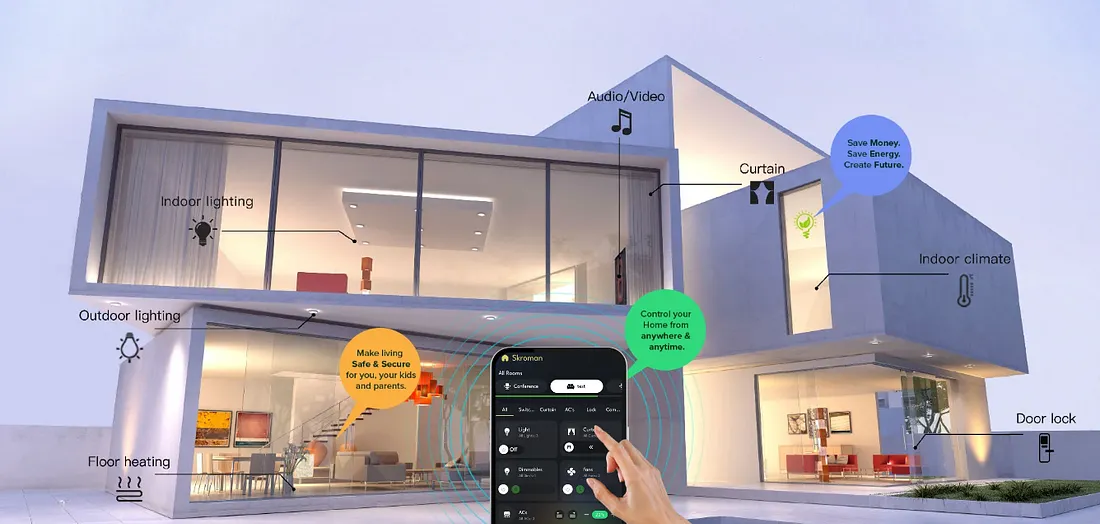
Security remains a major reason why homeowners invest in smart automation. In 2026, smart homes are integrating advanced security features such as smart locks, video door phones, motion sensors, and real-time mobile alerts. Homeowners can monitor and control their home security remotely through mobile applications, ensuring safety even when they are away.
4. Centralized Home Control
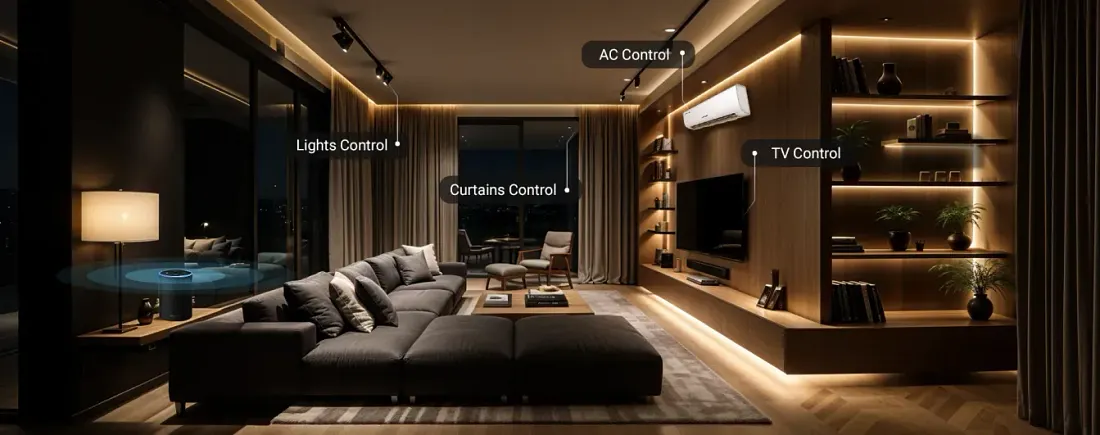
Modern smart homes now offer centralized control systems that allow homeowners to manage multiple devices from a single mobile app or control panel. Lighting, curtains, air conditioning, and entertainment systems can all be managed from one place, making home management more convenient and efficient.
5. Smart Lighting Automation
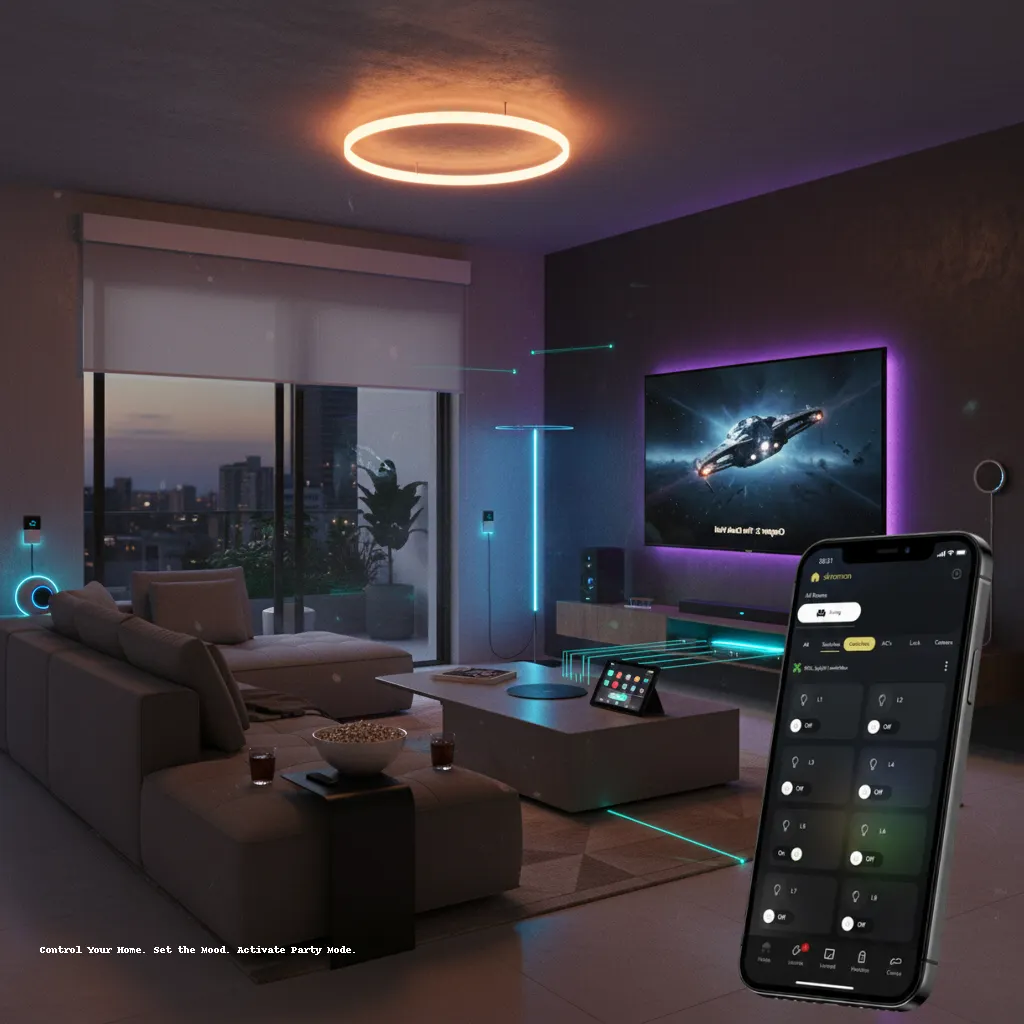
Smart lighting is becoming a standard feature in modern homes. Automated lighting systems can adjust brightness based on time of day, occupancy, or user preferences. Homeowners can create different lighting moods for activities such as watching movies, hosting guests, or relaxing.
6. Smart Entertainment Integration
Home automation is also transforming home entertainment. Smart TVs, speakers, and home theatre systems can now be integrated with automation platforms to create a seamless entertainment experience. With just a single command, homeowners can dim the lights, close the curtains, and start their favorite movie.
7. Remote Home Management
One of the biggest advantages of smart home automation is the ability to control your home from anywhere. Whether you are at work or traveling, you can easily monitor and control lighting, appliances, and security systems through your smartphone.
8. Integration with Smart Appliances
Smart appliances such as refrigerators, washing machines, air conditioners, and robotic cleaners are now being integrated into home automation systems. These appliances can communicate with each other and operate automatically to improve efficiency and convenience.
Conclusion
Smart home automation is reshaping the future of modern living. In 2026, homeowners are increasingly adopting automation technologies to enhance comfort, security, and energy efficiency. As technology continues to advance, smart homes will become more intelligent, connected, and accessible to a wider range of homeowners.
Investing in smart home automation today means preparing your home for the future — where convenience, control, and innovation come together to create a truly smart living experience.